A Surge in Dog Seizures by Cleveland Police: Are Breed Bans Effective or Just Misguided?

Freedom of information request by a member of the Public to Cleveland Police reveals the shocking number of dogs being seized by the force which in 2019 was placed into special measures by HMIC...
14th November 2024
In the past year, its claimed Cleveland Police has seized a significant number of dogs across various breeds, raising concerns about the approach and effectiveness of current animal control policies.
The data unearthed by a freedom of information request by a member of the public shows a marked increase in the number of seizures, particularly involving certain breeds often associated with dog attacks or deemed to be dangerous under the Dangerous Dogs Act.
Breakdown of Dog Seizures by Cleveland Police (2023-2024)
The following is a detailed breakdown of the breeds seized by Cleveland Police in the last 12 months:

The Surge in XL Bulldog Seizures
The data shows a significant number of XL Bulldogs are being seized, with 28 incidents recorded. This reportedly reflects a growing trend seen nationwide, where larger bull breeds are often targeted due to their size and perceived aggressiveness. The XL Bulldog, in particular, has faced heightened scrutiny following several high-profile cases involving attacks. However, critics argue that seizing dogs based solely on their appearance or breed classification does little to address the root causes of aggressive behaviour, which often stem from poor training, neglect, or irresponsible ownership.
The Pit Bull Dilemma: Dangerous Breed or Just Misunderstood?
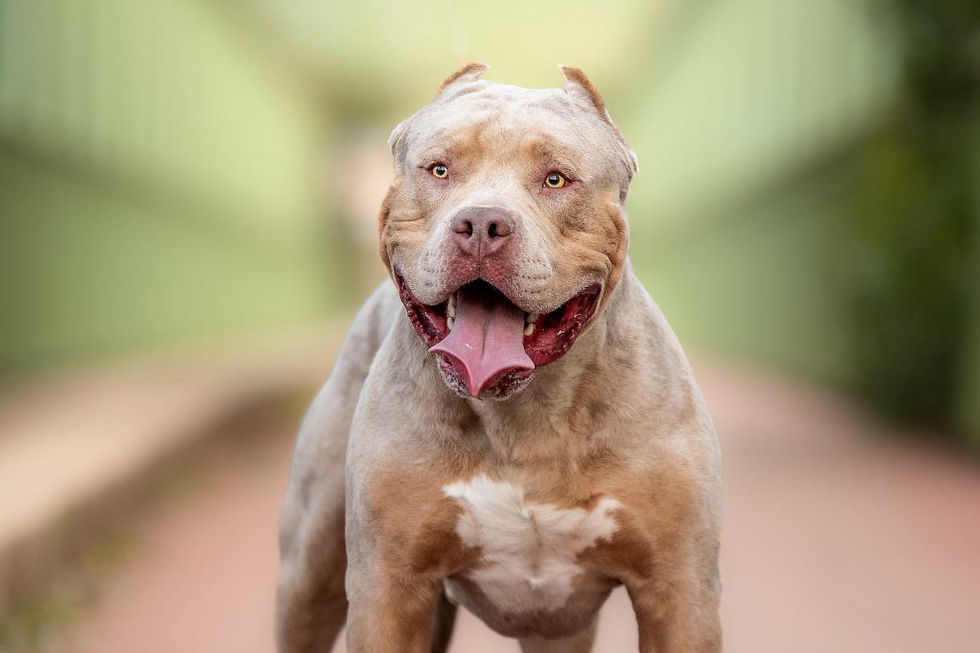
Pit Bulls remain one of the most commonly seized breeds, with 10 cases reported. Despite the breed's controversial status and its inclusion in the UK's banned breed list under the Dangerous Dogs Act, the popularity of Pit Bulls has not waned. Animal rights advocates argue that this focus on specific breeds leads to unnecessary euthanasia and does not tackle irresponsible ownership, which is a major contributor to dog-related incidents.
Mixed Breeds and Cross Breeds: A Growing Concern
Interestingly, cross-breed Bull types accounted for 16 seizures, a significant figure that highlights the complexities in enforcing breed-specific legislation. Mixed-breed dogs often fall into a grey area, where visual identification can be highly subjective. This ambiguity can lead to wrongful seizures and the unnecessary separation of pets from their families, often based on appearance rather than behaviour or temperament.
Small Breeds Are Being Targeted Too
While the majority of the seizures involved larger breeds, small dogs like the Bichon Frise, Lhasa Apso, and Shih-poo also made the list. This suggests that size does not exempt dogs from being seized and raises questions about the criteria used by Cleveland Police when making these determinations. It is likely that even these smaller breeds were involved in incidents that led to their seizure, but it also points to a broader issue of inconsistent enforcement according to critics. .
The Role of Legislation and Police Action
The high number of seizures, especially among certain breeds, indicates a reliance on breed-specific legislation rather than addressing the broader issue of responsible pet ownership. Breed bans and targeted actions, like those seen in Cleveland, have faced criticism for being ineffective at reducing dog attacks. Research has shown that education and proper training, combined with stricter penalties for irresponsible owners, could be more effective in tackling the problem than simply banning or seizing specific breeds.
There's Calls for Policy Reform
Cleveland Police’s data on dog seizures highlights the urgent need for policy reform. With data showing over 90 dogs were seized in just one year, it’s clear that current approaches may not be addressing the underlying problems. Instead of focusing solely on the breed of the dog, a more holistic approach that includes owner education, stricter licensing requirements, and behavioural assessments could lead to better outcomes for both the public and the animals involved, with the spike in dog seizures by Cleveland Police said to be raising important questions about the effectiveness of current policies, as well as the ethical implications of breed-specific legislation.
Critics of the current legislation believe that the focus should now shift from targeting certain breeds to promoting responsible ownership and implementing measures to address the root causes of aggressive behaviour, with a comprehensive review of dog control policies to ensure they are fair, effective, and that they truly protect the public without causing unnecessary harm to pets and their families.


