Cleveland Fire Budget Gap Grows to £1.75m Despite Planned Council Tax Rises

Council Tax Rises Would Reportedly Still Leave Cleveland Fire Facing £1.75m Shortfall as Cleveland Fire Authority Faces Deeper Cuts..
23rd November 2026
Cleveland Fire Authority is said to be facing a forecast £1.75 million budget shortfall despite plans that will assume local residents will told to pay more towards the service through their council tax bills.
Papers prepared for Cleveland Fire Authorities Executive Committee meeting on the 27th November reveal that the projected gap by 2028/29 has now increased by £552,000 from the £1.198 million identified earlier this year — a rise of approximately 46%.
The worsening forecast already assumes a £5 increases in the fire authority’s annual Band D council tax charge in both 2027/28 and 2028/29.
Those increases would apply to the fire service element of household bills, with charges varying by property band and would come alongside any changes made separately by councils and other authorities.
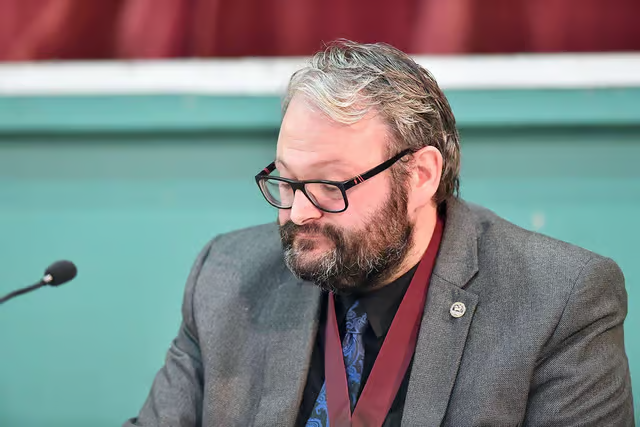
The report, jointly presented by Interim Chief Fire Officer Simon Weastell and Treasurer Chris Little who himself is facing criticism over the collapse of Cleveland Fire Authorities former CIC business which collapsed owing millions to its creditors, warning that further savings will be needed unless additional government funding offsets rising costs.
Project Aspect, the authority’s existing savings programme, was established to address the original £1.198 million shortfall. Officers recommend continuing that work, but the latest forecast means those savings could fall £552,000 short of what is required.
If extra funding is not secured, officers propose using the authority’s Budget Support Fund to cover the additional pressure in 2027/28, with further savings proposals brought forward by July 2027 for implementation in 2028/29.
The report makes clear that using reserves would ultimately defer the additional deficit rather than remove it, with permanent savings still required to bring spending into line with recurring income.
Its further claimed that even after allowing for support already approved for the current year’s budget, the proposed additional use of reserves would leave £1.672 million uncommitted in the Budget Support Fund by March 2028.
The scale of the challenge is said to be illustrated through financial modelling which expresses the remaining gap, after proposed non-pay Project Aspect savings, in terms of equivalent firefighter posts where under the revised £1.75 million scenario, that figure rises to 17 posts, compared with eight under the original forecast. These are financial comparisons demonstrating the size of the pressure, rather than an announcement that 17 firefighters will lose their jobs.
Officers attribute the worsening outlook to higher than expected pay costs, inflation affecting other expenditure and increased borrowing costs.
The report also warns that each additional percentage point on national pay awards above the amount allowed for would add approximately £300,000 to costs and the savings required.
The proposed council tax increases are central to the financial strategy. Together, the two annual £5 Band D rises would generate an estimated £1.735 million in additional recurring annual income by 2028/29. Without that income, its claimed the authority says further cuts of the same amount would need to be identified on top of the shortfalls already modelled. However, the report acknowledges that a more favourable government settlement could, in turn ease the immediate pressure.
It also points to the longer-term reduction in Cleveland’s wholetime firefighter establishment from 494 posts to 331, a fall of 33%, compared with the 25% national reduction cited in the report.
Further uncertainty is also said to lie beyond the current financial plan, including concerns over what will happen to £2.7 million pounds worth of in floor funding expected in 2028/29 when the government introduces a revised funding system.
The Executive Committee is being asked to refer the financial update onto the full authority on the 4th December, with the Final budget and council tax decisions scheduled for consideration by the Executive Committee on the 22nd January 2027 and the full authority on the 12th February 2027