Council Error Leaves Landlord Out of Pocket, Ombudsman Refuses Compensation.
- Jan 14
- 3 min read

Trusting Hartlepool Borough Council Costs a Landlord Dearly, after Ombudsman refuses to allow Compensation to be paid...
13th Jan 2026
Hartlepool Borough Council has dodged what would have been yet another significant compensation claim — this time in the way it handled a House in Multiple Occupation (HMO) licence application — highlighting a systemic problem with how councils are being allowed to escape responsibility for their actions & calling into question the integrity of the Local Government Ombudsman.
The complainant, known only as “Mr X,” asked the Council to licence his HMO property which he'd been refurbishing. The licence issued by the Council was for a six-bedroom HMO on the basis of measurements provided by a Council officer.
A follow up inspection then revealed the measurements taken by the council official previously were wrong, and the property only qualified as a five-and-a-half-bedroom HMO.
Under licensing rules, bedroom counts determine rent potential, utility to tenants, and — critically — compliance with health, safety, and minimum space standards. The Miscounting by Hartlepool Borough Council on the property was said to have directly affected the property’s legitimate rental income as well as its market value.
Council Standard Reaction: Apology, But No Responsibility
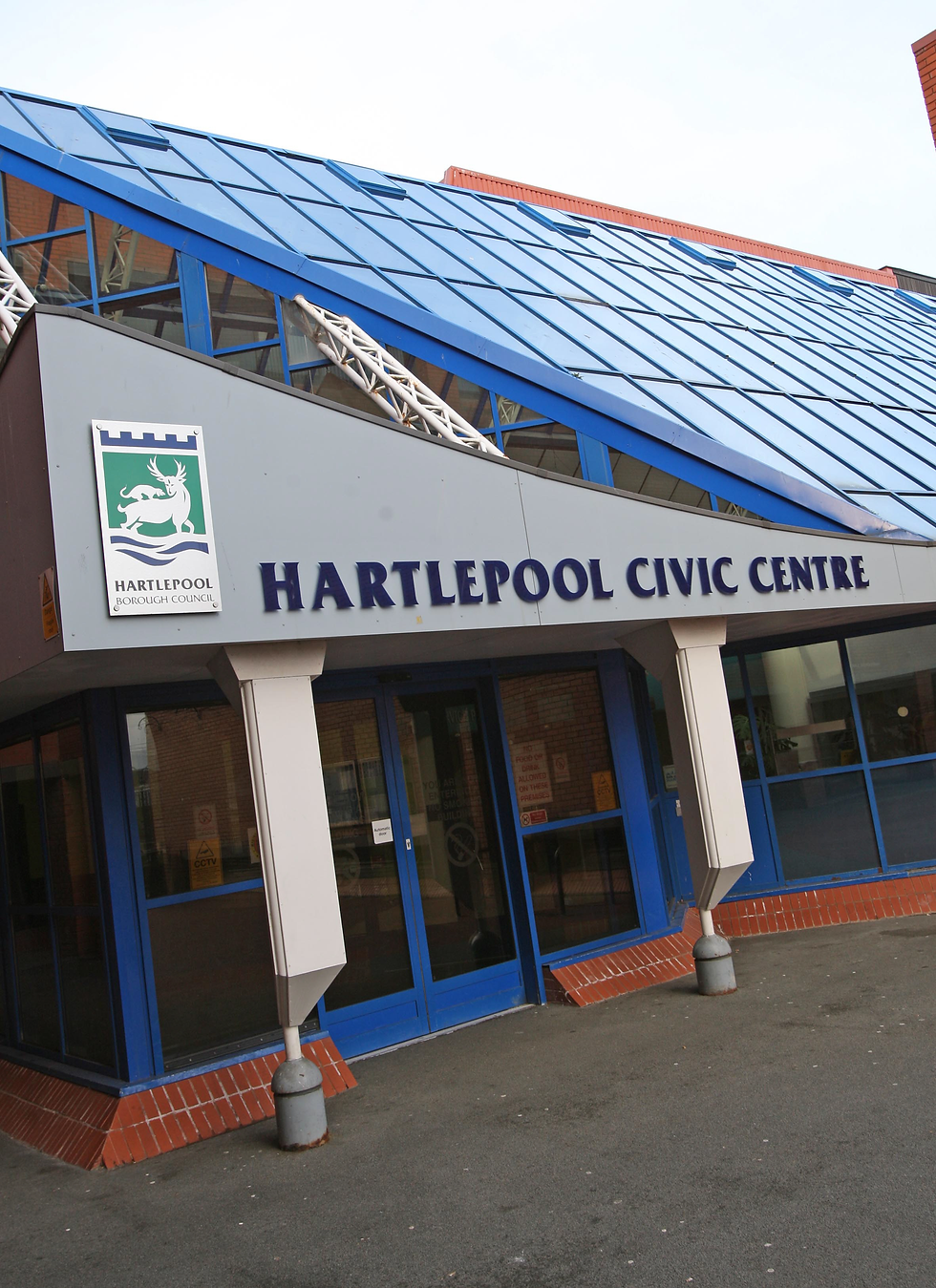
In response to the landlords complaint, the Ombudsman claimed the Council 'apologised' for the measurement error — but firmly refused to consider any financial compensation being offered, with Hartlepool Borough Council citing its own internal policy that places responsibility for room size compliance squarely on the licence holder, even where the Council’s own advice is demonstrably flawed.
The Ombudsman’s statement confirms that Hartlepool Borough Council was responsible for the measuring error which occurred. Yet the Ombudsman refused to investigate the complaint — not because the Council was right, but because financial loss claims like this, even where caused by a supposedly 'public authority', are matters for the courts, & not the ombudsman. .
The Ombudsman found:
The Council made an error and caused a loss to the complainant.
The Court is the only forum that can decide on any financial compensation.
Therefore, the Ombudsman will not investigate.
The Ombudsman also stated that it could not “achieve the outcome the complainant wants.”
Time for the Local Government Ombudsman to be Investigated....
The incident is again likely to re-ignite debate over the role of the Ombudsman as being nothing more than yet another 'Quango', seemingly designed to work in the councils favour & not that of those who've suffered injustice at the hands of local councils: The Ombudsman can recommend apologies and procedural improvements, but cannot award financial compensation to put someone back in the position they would have been if the local council had not erred.
It's a Policy Problem, Not an Isolated Mistake
Council policies are now specifically designed to deflect responsibility for inaccurate official guidance, leaving affected residents without any straightforward redress. This is especially concerning where the Council has statutory duties to ensure housing licensing compliance on behalf of the public. The Ombudsman’s refusal to investigate because its claimed only a court can award money demonstrates how statutory boundaries seem to be protecting councils at the expense of fairness. By deciding not to investigate at all, even where fault and injustice are plausible leaves people without any meaningful accountability unless they have the time and resources to litigate.
This decision is not merely about room sizes or HMO licences — it illustrates a wider problem in local governance where public bodies can err and apologise, yet those affected are denied meaningful remedy without recourse to costly legal action.
The public deserves a system where missteps by councils are addressed transparently and remedies are accessible without disproportionate financial burden. That principle was not met here. Instead, a resident was left bearing the consequences of official error — and the Ombudsman washed its hands of the matter.


