How the Labour Government Could Address Its Budget Deficit by Finally Taxing 'Greedy' Social Housing Providers...

Labour faces a monumental budget shortfall which is likely to see huge tax rises in Autumn, however a quick & easy solution to the problem stares the government right in the face, it just seems no one's willing to entertain the plans....
9th August 2025

The Labour Government, faces a daunting challenge in tackling the UK’s budget deficit which is projected to reach £4.1 billion by 2029-30 if no action is taken.
One potential avenue to boost tax revenue lies in reforming the tax status of social housing providers, many of which currently enjoy exemptions from UK corporation tax due to their so called charitable or Community Benefit Society (CBS) status.
By bringing these large housing providers back into the corporation tax net (The Real World), the government could unlock significant revenues to address fiscal pressures.
Using Teesside Housing Giant, Thirteen Housing Group Ltd as a case study to highlight the scale of untaxed surpluses and executive pay in the sector, the case for so called 'Housing Associations' to be brought back under the Corporation Tax umberella is seemingyl too hard not to walk away from...
The Labour Government’s first budget in October 2024 emphasised raising taxes to fund critical services like the NHS, with measures like increased National Insurance contributions and changes to fiscal rules to allow more borrowing for investment. However, the Office for Budget Responsibility (OBR) noted a deteriorating fiscal outlook, with higher debt interest costs driving much of the £14 billion worsening of the deficit by 2029-30.
To achieve Labour’s goal of eliminating the current budget deficit by 2029-30, new revenue streams are essential. One underexplored option is taxing the surpluses of social housing providers, with most currently exempt from corporation tax on profits derived from their primary purpose activities, such as social housing provision.
Registered Providers (RPs) of social housing, including housing associations like Thirteen Housing Group Ltd, are typically structured to make themselves look like charities or CBSs, granting them exemptions from corporation tax on profits from social housing activities. This exemption stems from their alleged community-focused mission to provide affordable housing. However, these organisations are often found to be generating substantial financial surpluses, which housing providers claim is then reinvested into housing stock, maintenance, or community services but remain untaxed.
According to the Regulator of Social Housing’s 2024 Global Accounts, England’s private RPs reported a collective surplus of £3.1 billion pounds in 2023-24 from a turnover of £22.6 billion. Scaling this to the UK, the sector’s surplus could be around £3.65 billion.
If 80% of this surplus was deemed taxable (accounting for existing tax liabilities on non-exempt activities), applying the 25% corporation tax rate could yield approximately £730 million annually in additional revenue.
This revenue could significantly dent Labours claimed budget deficit, funding initiatives like the £600 million injection for social care announced in the 2024 Budget or supporting Labour’s pledge to deliver 1.5 million new homes. However, taxing these surpluses risks reducing providers’ ability to build and maintain affordable housing, potentially exacerbating the housing crisis—a key Labour priority.
The case to bring these companies back under normal Taxation status is too stark to ignore...

Thirteen Housing Group Ltd, a major housing association based in Middlesbrough, manages over 35,000 homes across the North East of England and Yorkshire.
As a CBS, it benefits from huge corporation tax exemptions on its social housing activities. According to its Annual Report and Financial Statements 2023/24, Thirteen Group reported a turnover of £193.7 million and a surplus before tax of £14.7 million.
Despite this significant surplus, the group paid zero corporation tax on its core social housing activities due to its exempt status, though non-charitable subsidiaries may incur tax on commercial ventures.
A point of contention here therefore is the remuneration of Thirteen’s leadership.

CEO, Matt Forrest, received a total compensation package of £246,000 in 2023-24, including salary and benefits, as disclosed in Thirteens annual report. This figure, whilst claimed to be 'competitive' within the sector, raises eyebrows when juxtaposed with the group’s tax-exempt status and the broader narrative of fiscal austerity. Critics argue that organisations benefiting from public subsidies and tax breaks should face more scrutiny over high executive pay, especially when their surpluses could contribute to public coffers.
Bringing social housing providers such as Thirteen Housing Group into the corporation tax regime could offer several benefits:

Revenue Generation: If Thirteen’s £14.7 million surplus were taxed at 25%, it would contribute £3.675 million annually to HMRC. Across the sector’s estimated £2.92 billion taxable surplus, the £730 million yield could fund critical public services, reducing pressure on measures like council tax hikes or the social care precept, which unfairly burden households.
Fiscal Fairness: The tax exemption for social housing providers creates a perception of inequity, as private landlords and developers face full corporation tax liabilities. Aligning RPs with private sector tax obligations could level the playing field, especially for providers engaging in commercial activities like market rent or property development.
Public Accountability: High CEO salaries, like the £246,000 paid to Thirteen’s Matt Forrest, fuel debates about whether tax-exempt organisations should enjoy such financial flexibility while contributing no corporation tax. Taxing surpluses could encourage leaner operations and greater transparency.
The Risks and Trade-Offs
However, our financial reporter claims removing tax exemptions is not without consequences:
Reduced Housing Investment: Surpluses are reinvested into building new homes, maintaining existing stock, and funding tenant services. Taxing Thirteen’s £14.7 million surplus could reduce its capacity to deliver new homes (each costing £150,000–£200,000), potentially stalling Labour’s 1.5 million homes target.
Increased Costs for Tenants: To offset tax liabilities, providers could raise rents or cut services, impacting low-income tenants who rely on affordable housing. This could increase government spending on housing benefits, offsetting any potential tax gains.
Sector Strain: Smaller providers with thin margins may struggle with tax compliance costs, potentially leading to mergers or closures, reducing diversity in the sector.
To balance revenue needs with housing goals, the Labour Government could consider a hybrid approach:
Partial Taxation: Apply corporation tax only to surpluses above a certain threshold (e.g., £10 million) to protect smaller providers whilst capturing revenue from larger ones like Thirteen Group.
Incentivise Investment: Offer tax relief for surpluses reinvested into new social housing, encouraging providers to align with Labour’s housing targets.
Review Executive Pay: Introduce guidelines to cap executive salaries in tax-exempt organizations, addressing public concerns about high pay in the sector.
Labour has options to increase Taxes that wont hit the most struggling households..
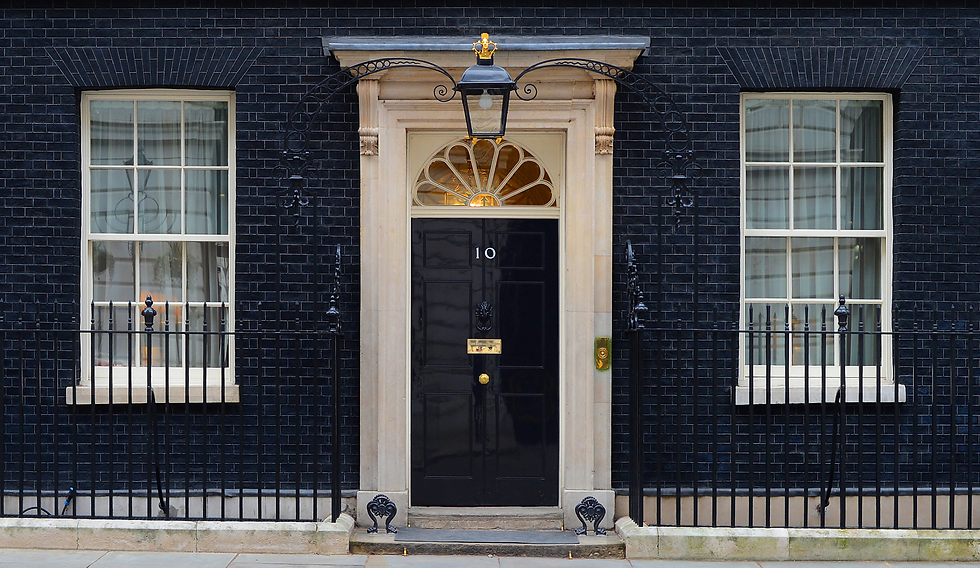
Taxing social housing providers could provide the Labour Government with a significant revenue stream—potentially £730 million annually—to address its budget deficit woes.
Thirteen Housing Group’s £14.7 million untaxed surplus and £246,000 CEO salary highlight the potential for serious reform of the so called Social Housing Sector, but the policy must be carefully designed to avoid undermining the sector’s ability to deliver affordable housing. As Labour navigates its fiscal and housing priorities, a nuanced approach to taxing RPs could bridge the gap between revenue generation and social good, ensuring providers like Thirteen contribute to the economy whilst continuing their mission to provide affordable homes, however whether Labour will listen to financial experts & bring Registered Social Landlords back into the real world of taxable status seemingly remains to be seen...


