Pubs on the Brink: Labour Government Forced to Rethink Business Rates In Yet Another Embarrassing U-Turn

Government Poised for Business Rates U-Turn as Pressure Mounts Over The Number of Pub Closures in the Region.
9th Jan 2026
The Labour government appears to be edging ever closer towards yet another embarrassing U-turn, this time over its planned increase in business rates for pubs, following growing political pressure and reportedly comes amid fresh warnings from local MP's about the accelerating decline of the pub industry in towns such as Hartlepool.
The shift comes just days after The Teesside & Durham Post report on the fragile state of Hartlepool’s pub trade, particularly over Hartlepool's Historic Headland, highlighting closures, declining footfall, and rising operating costs that's left many landlords questioning whether they can survive another year.
Against the backdrop, Labour MP for Hartlepool Jonathan Brash has revealed that he wrote directly to the Chancellor shortly before Christmas, warning that recent Budget decisions and the latest business rates revaluation risk pushing many local pubs over the edge.
A warning from Hartlepool to the Treasury
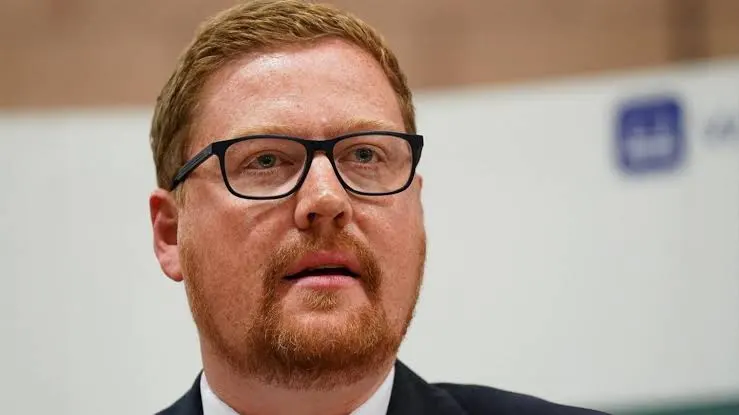
In his letter to the Chancellor, Mr. Brash set out concerns raised by publicans across the town, many of whom are now facing sharp increases in their rateable values alongside the removal of the existing 40 per cent relief. In some cases, this is expected to translate into business rates bills rising by several thousand pounds a year.
Crucially, Mr. Brash argued that the increases fall disproportionately on traditional pubs when compared with large commercial premises such as distribution warehouses – a policy outcome that appears to sit uneasily with repeated government claims that it wants to support high streets and community businesses.
He also emphasised the uniquely tight margins under which pubs are operating, especially in the current economic climate, with industry figures suggesting that many landlords are making little more than 12 pence profit on each pint they serve, before factoring in soaring energy costs, staff shortages, and rising supply prices. Against that reality, further increases in fixed costs threaten the long-term viability of long-established local venues, with a number of pubs in Hartlepool either closing their doors for good, or have been placed on the open market for sale & their future as a public house left in doubt.
More than just pubs
In public statement made online yesterday evening, Mr. Brash broadened the argument beyond pubs alone, warning that the entire hospitality sector is under strain. Bars, clubs, cafés, hotels and restaurants all face the same combination of rising costs and falling consumer spending, yet are being asked to absorb higher business rates at precisely the wrong moment.
For Hartlepool, the issue also cuts deeper than just the balance sheets. Pubs are a defining part of the town’s social fabric and cultural identity. From neighbourhood locals to town-centre venues, they remain places where communities meet, social ties are maintained, and local character survives.
That sense of heritage is closely bound up with Camerons Brewery, which has brewed in the town since 1865 and remains one of the North East’s best-known names with generations of locals growing up with Strongarm on the bar, and the loss of pubs increasingly seen as a loss of local identity.
Signs of a rethink
At a national level, industry bodies such as the British Beer and Pub Association have been calling for a targeted, pub-specific rates relief of around 30 per cent to soften the impact of the revaluation. With backbench MPs now echoing those calls and regional independent media outlets such as The Teesside & Durham Post documenting the consequences on the ground, pressures said to be building on the Treasury to respond.
While no formal announcement has yet been made, indications from Westminster suggest ministers are now actively reviewing the impact of the changes on community pubs and hospitality businesses, however its claimed any concession would represent a significant climbdown from the government’s original position & huge political embarrassment for an already embattled Labour Government.
Mr. Brash states that he intends to continue pressing the case for the government to 'look again' at the policy, framing the issue as one of fairness, heritage and economic realism. Whether the government follows through will be closely watched – not least by the landlords and staff at pubs across the region, whose livelihoods now depend on ministers recognising that the hospitality sector is literally on life support & time is running out for the business sector to be saved.


