Hundreds of Cleveland Police Officers and Staff Signed Off with Mental Health Issues....

The institution of no public confidence reveals it has hundreds of staff signed off work due to Mental Health....
25th July 2025
(Cleveland Police Exposed)
Cleveland Police has confirmed more than 400 officers and staff took sick leave in 2024 due to mental health conditions such as stress, depression, or anxiety — with the force of no public confidence astonishingly holding no recorded data on those signed off with Post Traumatic Stress Disorder (PTSD), one of the most serious and potentially long-term psychological impacts said to be associated with frontline policing.
In response to a Freedom of Information request, the force disclosed that between 1st January and 31st December 2024, a total of 431 members of staff had taken leave for mental health-related reasons.
This included:
288 police officers
143 civilian staff members
These figures reflect individuals who were absent from duty for any length of time due to mental health struggles — a number that starkly highlights the ongoing crisis in the police force itself.
PTSD Not Recorded
Despite the increasing awareness around PTSD in emergency services, Cleveland Police admitted it does not record PTSD as a specific sickness category, stating:
“We do not record PTSD as a sickness reason therefore our answer on this occasion is no information held.”
This means the force of no public confidence cannot say how many officers or staff were signed off specifically with PTSD, nor how many workdays were lost due to the disorder.
A Troubling Omission
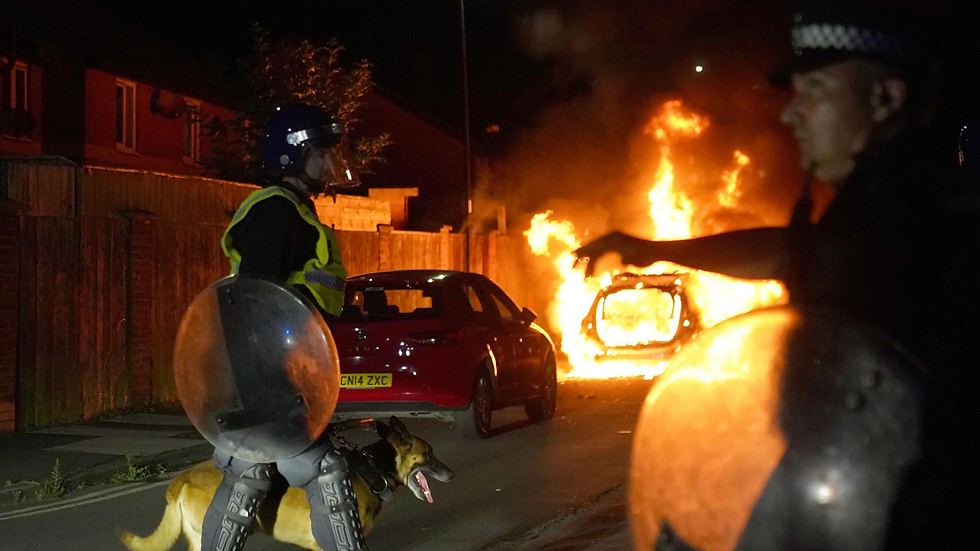
The absence of PTSD data raises serious questions about how Cleveland Police recognises and responds to trauma experienced by its frontline workers. PTSD is widely acknowledged as a common consequence of repeated exposure to violence, death, abuse, and other traumatic incidents — all of which are daily realities for many officers.
Experts warn that failure to properly identify and log PTSD could result in underreporting, inadequate treatment, and long-term consequences for both the individuals affected and the quality of policing itself.
Cleveland Police is not alone in facing a mental health crisis among its ranks. Forces across the UK have reported rising rates of stress-related absences in recent years, with officers citing long hours, assaults, an increase in violent crime, lack of support, and inadequate staffing levels as key contributors.
Not recruiting the right people some claim...

However, critics have put this down to recruiting, where its claimed the police's inherent desperation to fulfil diversity & equality guidelines is leading to a significant number of candidate's being recruited who have little life experience & woefully unprepared for the mental strain the role entails as opposed to those from a military service background.
Whilst some feel it’s encouraging that Cleveland Police is willing to release figures on stress, depression, and anxiety, the refusal — or seeming inability — to record PTSD as a distinct illness is a glaring gap in the force’s understanding of officer welfare.
If Cleveland Police is serious about protecting those who protect us, it must start by tracking the real impact of trauma on its workforce — and start taking steps to ensure those suffering arent slipping through the cracks.


